


On December 26, Israel became the first country in the world to formally recognize Somaliland as an independent state. For Hargeisa, it was a moment decades in the making. A symbolic breach of a diplomatic wall that had held firm since 1991. For Israel, it was a clean strategic win, expanding its footprint along one of the world’s most contested maritime corridors.
But recognition is not the same as legitimacy and this recognition in particular, raises an uncomfortable question:
Is this actually good for Somaliland?


a historic first, with an asterisk
There is no minimizing the significance of what happened. Somaliland has spent more than three decades lobbying African states, Western capitals, and international institutions for recognition. Every attempt ran into the same wall: the African Union’s commitment to Somalia’s territorial integrity and the fear of opening a precedent for secession across the continent.
Israel’s decision breaks that deadlock. It proves that recognition is possible, that it does not require African consensus, and that it can be achieved through bilateral, transactional diplomacy. For Somaliland’s leadership, this is validation. This is proof that the independence project was not futile.
But it also comes with an asterisk. Israel is not just the first country to recognize Somaliland. It is the first and only one and it has done so at a moment when Israel is diplomatically isolated across much of the Global South.
That matters.


optics matter
Somali society, including Somaliland, is overwhelmingly pro‑Palestinian. This is not a fringe position; it is rooted in religion and anti‑colonial solidarity. Israel’s war in Gaza has intensified those sentiments, not weakened them. Against that backdrop, Israel being the first country to recognize Somaliland reads as alignment.
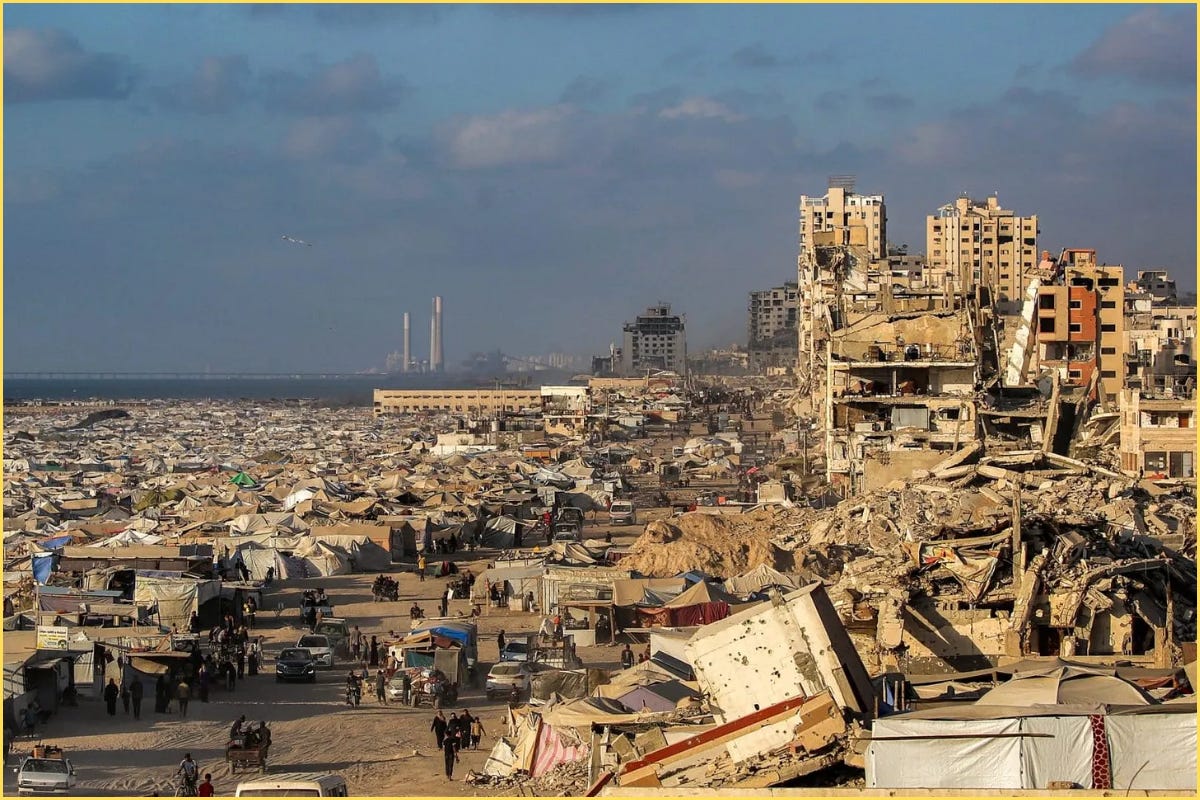
Fair or not, the optics are unavoidable, Somaliland’s first recognition appears tied to Israel’s security agenda in the Red Sea rather than to African self‑determination or democratic merit. That perception will shape how this move is understood by the world and across Somali communities at home and in the diaspora.
And there’s a second optics problem that’s easy to miss if you only look at Somaliland–Somalia.
African states have spent decades treating secession as a red‑line question because the continent is full of unresolved separatist pressures. From long‑running insurgencies to political autonomy movements that flare up when central authority weakens. That is precisely why the African Union has historically leaned so hard on territorial integrity and colonial borders. Not because every border is fair, but because changing them is a contagion risk.
So when Somaliland gets its first recognition through a high‑profile, politically charged partner like Israel, and doing it outside African consensus, outside AU mediation, and outside any negotiated settlement with Mogadishu, it does two things at once.
First, it makes other African capitals more hesitant to touch Somaliland’s recognition file, because they can see the precedent, recognition can be pursued through external bargains rather than regional process. Even governments that privately sympathize with Somaliland’s case will worry about what it legitimizes.
Second, it advertises a playbook that other separatist or autonomy movements could try to copy: bypass the continent, cut a deal with an outside power, and turn recognition into a transactional exchange. That is the nightmare scenario for states sitting on their own internal fractures. The last two African countries to win internationally recognized independence were Eritrea and South Sudan and whatever you think of the outcomes, it was done through a long, formal process tied to war, negotiations, referendums, and internationally managed agreements.
A one‑off recognition secured through external bargaining, outside a continent-led framework looks like a shortcut and that is exactly why many African governments will want to discourage it. Once that perception takes hold, Somaliland doesn’t just face pushback from Somalia, it faces a wider instinct across African governments to shut the door before the precedent spreads.
Recognition that arrives through controversial alignment can cost more legitimacy than it creates.
why this is a clear win for israel
For Israel, the benefits are immediate and largely uncontested.
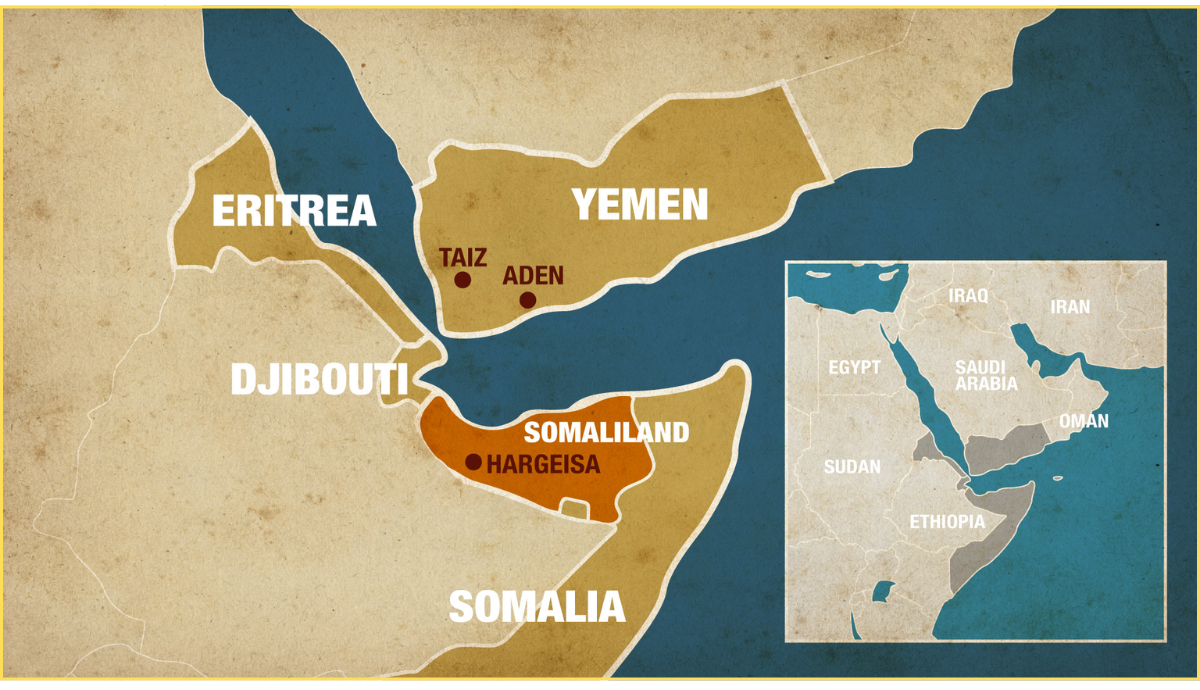
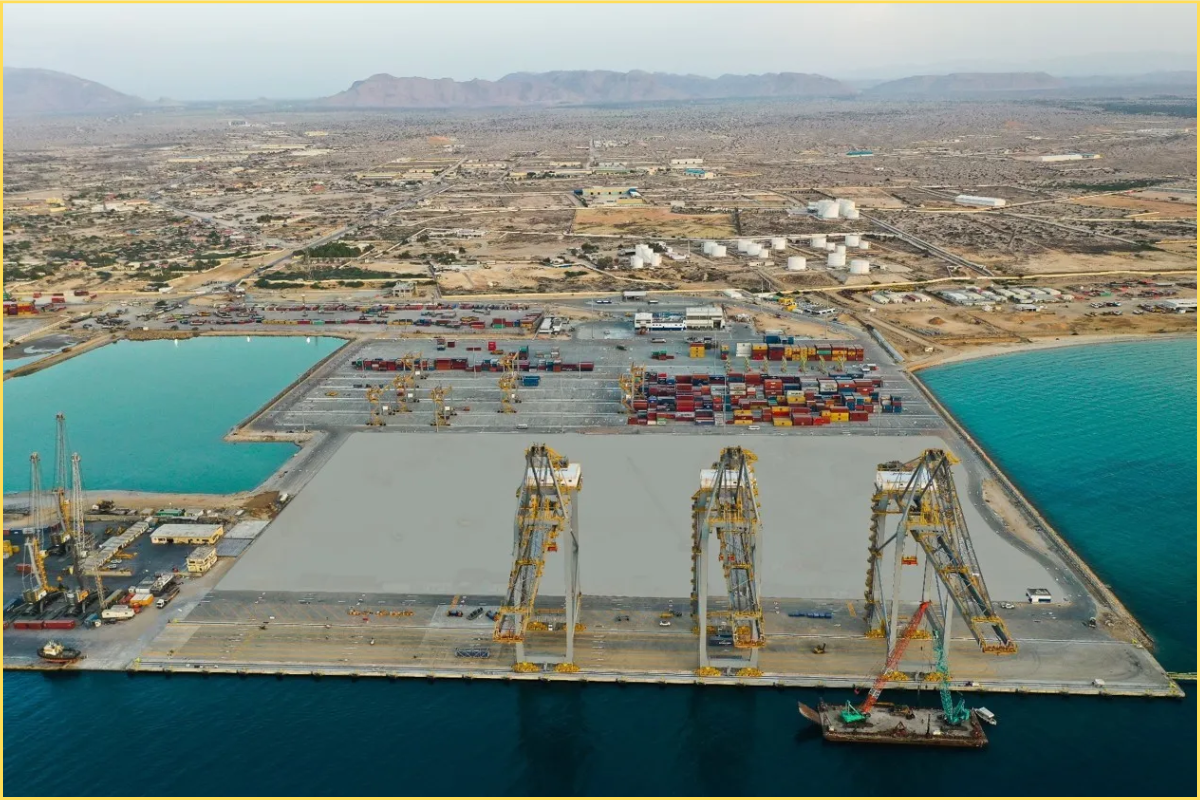
Somaliland sits astride the Gulf of Aden, near the Bab al‑Mandeb chokepoint. A vital artery for global trade and energy flows. Access, cooperation, or even quiet intelligence presence in Somaliland expands Israel’s strategic depth at a time when Red Sea shipping has been repeatedly disrupted and militarized.
And the hard reality is that recognition can open doors that informal ties cannot. Even if no base is announced today or tomorrow, Somaliland offers Israel the option of forward positioning with intelligence collection, maritime domain awareness, logistics, and, in the most escalatory scenario, a future military footprint that can watch the Bab al‑Mandeb and shorten response times if the Red Sea re-enters a high-intensity phase.
Israel’s biggest Red Sea threat right now is coming from Yemen. A foothold on the African side of the Gulf of Aden is a different kind of leverage than diplomacy in Europe or lobbying in Washington because it is geography. However, If Somaliland becomes part of Israel’s military or intelligence posture against the Houthis, it also becomes a legitimate target in that conflict, with all the risks that come with being within missile range of Yemen.
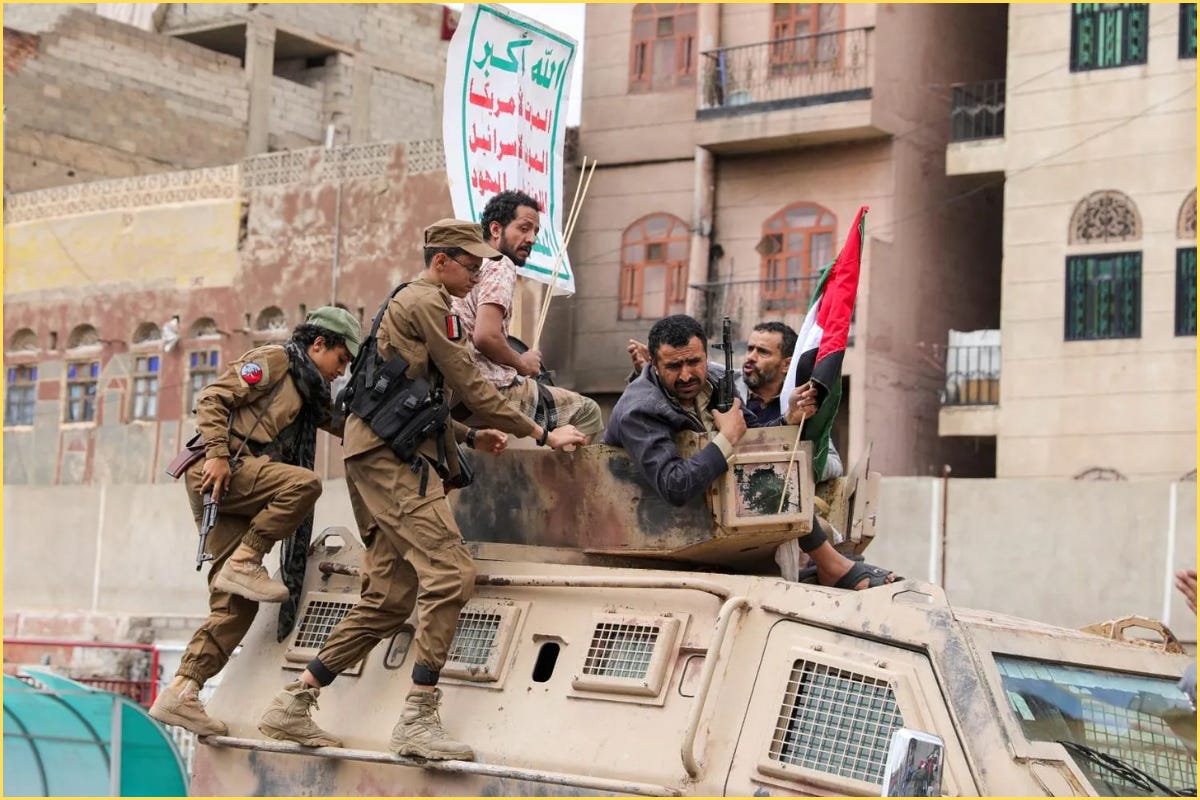
Israel did not have to compromise its position on Gaza, concede territory, or alter policy. It gained diplomatic access, potential basing options, and a friendly authority in a sensitive region, all without significant cost.
When one side gains immediate benefits while the other absorbs long‑term political risk, recognition begins to resemble leverage rather than a partnership.
a move born of desperation
This recognition did not come at the start of Somaliland’s diplomatic campaign. It came at the end. Only after years of trying (and failing) to win recognition through the routes Somaliland has traditionally pursued like African Union diplomacy, Western capitals, and the argument that Somaliland is “stable enough” to be treated as a state.
Over time, and especially after the Ethiopia–Somaliland MoU triggered regional backlash and internal unrest, Somaliland’s leadership appears to have shifted toward a more transactional approach: get one recognition first, then use it to pressure others. That can work tactically but it also raises the risk of overpaying.
Because when recognition becomes the primary objective, it becomes easier for outside partners to demand high-cost concessions (security access, diplomatic alignment, controversial policy commitments) in exchange for a symbolic breakthrough. At that point, it’s no longer about the terms, but the price.
the gaza resettlement rumors
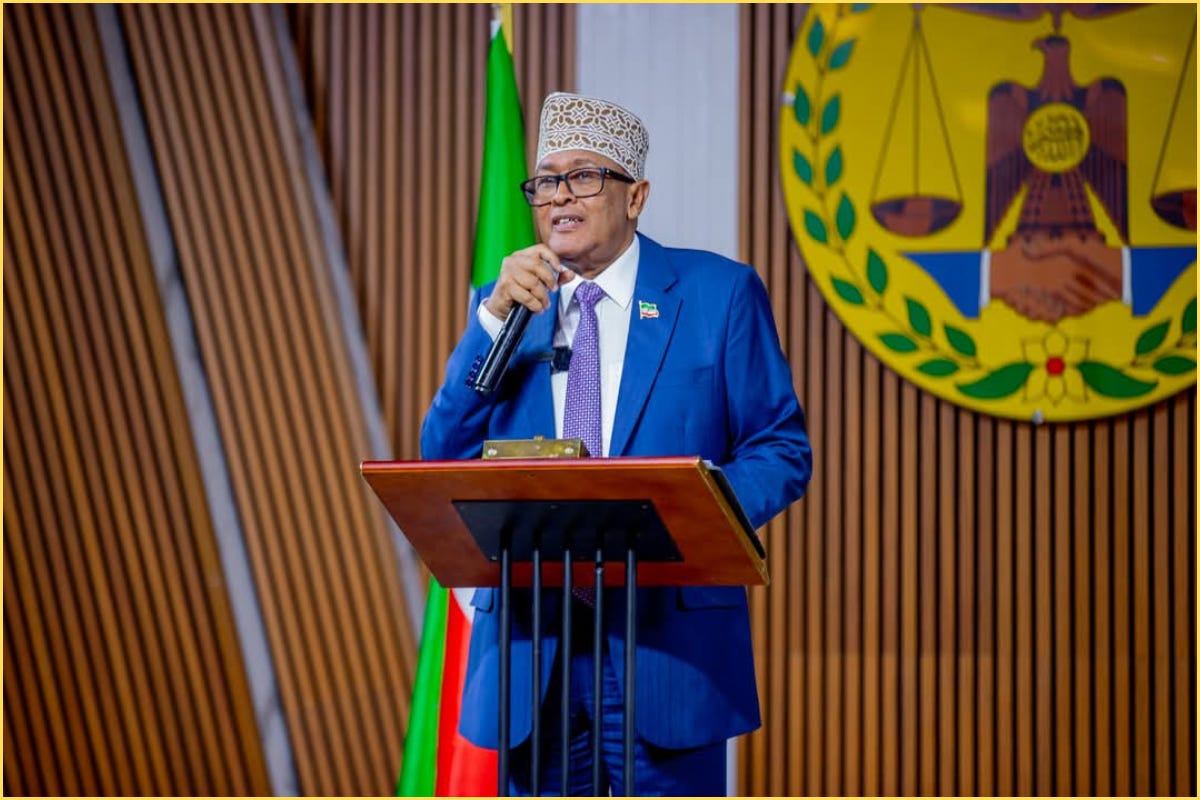
Unconfirmed reports that Somaliland may accept displaced Palestinians in connection with this recognition are politically radioactive. These rumors emerged in early this year as international media reported that U.S. and Israeli officials had explored, at least at the level of internal discussion and outreach, whether governments in East Africa, including Somaliland, Somalia, and Sudan, could be approached about hosting displaced Palestinians as part of post‑Gaza planning. No agreement was reached, and Somaliland’s government publicly denied holding any such talks.
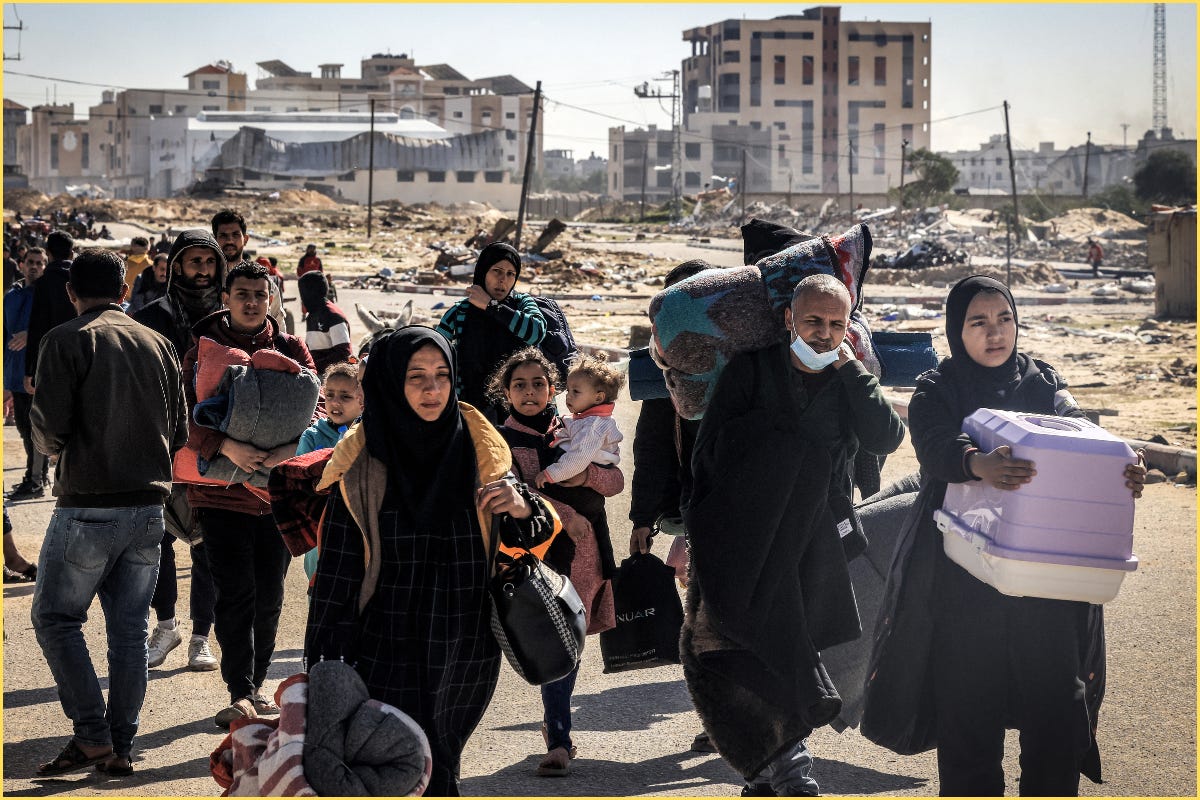
Even if false, the fact that these rumors are plausible enough to circulate widely tells us something important, that Somaliland’s leadership is now perceived as willing to trade sensitive political ground for diplomatic gain. That perception alone carries political cost.
Any move that frames Somaliland as a solution to Israel’s Gaza problem, even indirectly, or merely through association, would trigger even more backlash across Somali society and the wider Muslim world. It would collapse domestic legitimacy for Somaliland overnight and hand opponents of recognition an unassailable argument, regardless of the legal merits of statehood.
Some deals are too costly to even appear to consider.
recognition does not fix internal fractures
If you’ve been reading CIVIL INTEREST this year, you’ve basically watched the runway get built in real time. An outside-recognition push on one side, and a slow internal erosion of Somaliland’s territorial and political story on the other.
But if you are new, rather than re‑explain all of that here, I’m going to point you to the two pieces that were written before for this exact moment ⬇️
1️⃣ the somaliland recognition roadshow (aug 12, 2025)
The PR campaign and policy pitch that tried to package Israel–Somaliland recognition as “stability” and “maritime security,” when the real deal was access, leverage, and a Red Sea security bargain.
the somaliland recognition roadshow

Over the past year, a quiet but coordinated marketing push has been trying to sell a new Israel–Somaliland recognition framework, essentially an extension of the Abraham Accords model, this time in t…
2️⃣ firdhiye’s election and the collapse of somaliland’s independence narrative (sep 03, 2025)
The internal map problem: SSC‑Khaatumo/Northeastern State, effective control, and why foreign recognition does not resolve a state that is losing political consent and territorial authority.
firdhiye’s election and the collapse of somaliland’s independence narrative

For decades, Somaliland has presented itself as the exception in the Horn of Africa, a territory that broke away from Somalia in 1991 and built the facade of a stable, functioning democratic state wh…
a fragile win, or a strategic trap?
Israel’s recognition could be the first domino Somaliland hopes will trigger a bigger wave of recognition, ideally from the UAE, the United States, and Ethiopia.
That bet only works if other governments move soon. Israel’s recognition by itself does not change Somaliland’s status inside Africa, at the UN, or with major international institutions. The idea in Hargeisa seems to be, once one strategically important country breaks the taboo, others with similar interests will feel less scared to do the same.
There’s also important context for why Israel moved first. The UAE has spent years building deep leverage in Somaliland. There is no public proof that Abu Dhabi officially brokered Israel’s recognition but the UAE’s footprint helps explain why Israel may see Somaliland as usable strategic ground.
But that plan immediately ran into a problem. Within hours of Israel’s announcement, U.S. President Donald Trump publicly signaled that Washington is not ready to follow Israel’s lead. Asked about the move, Trump dismissed the idea of automatic U.S. recognition, saying the issue was “under study” and even questioning Somaliland’s relevance by asking whether anyone really knows where it is. For a strategy built around momentum, that kind of reaction from Washington is a big blow. Without U.S. recognition, it becomes much harder to imagine quick follow‑through from other cautious players, especially those who tend to wait for U.S. political cover before taking risks.
And if recognition becomes tied, in people’s minds, to foreign bases, a more militarized Red Sea, or Gaza politics, Somaliland could trade one kind of isolation for another by being boxed into a narrow security lane instead of gaining broad legitimacy.
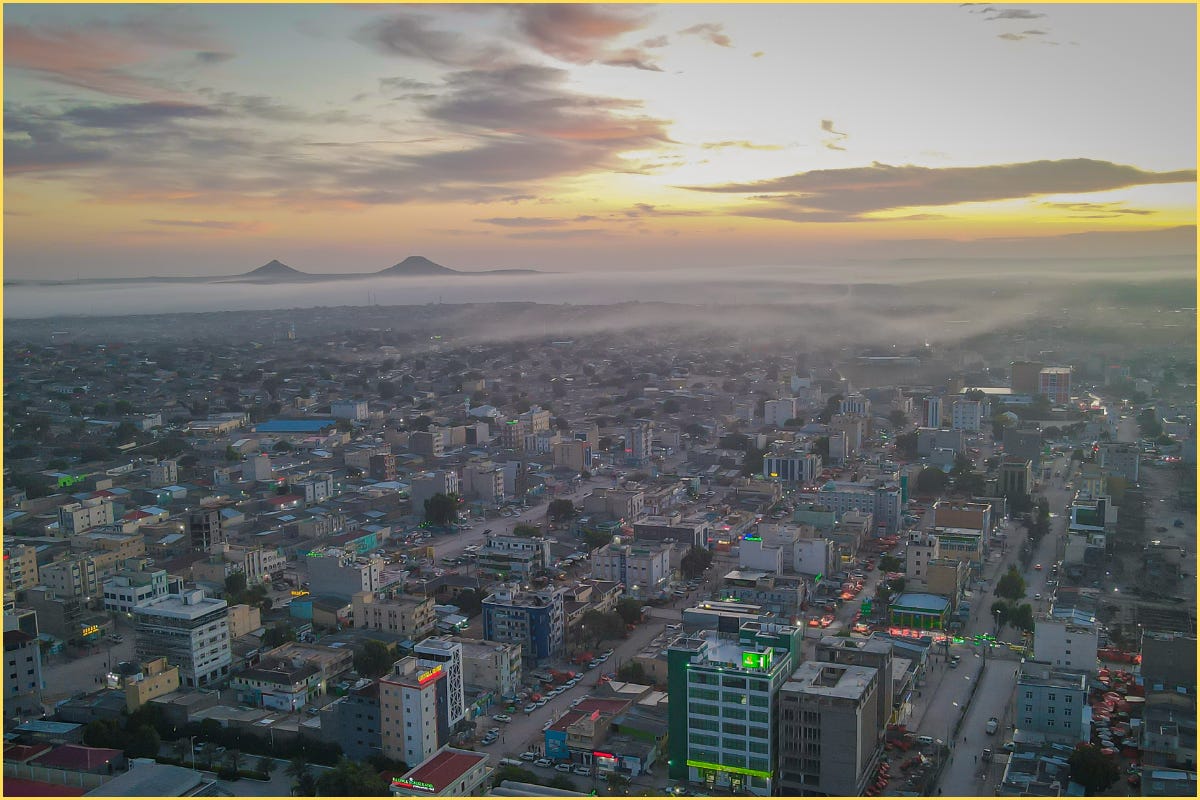
Either way, this is a real diplomatic milestone. It shouldn’t be brushed off. But it is also a gamble because it prioritizes symbolic recognition over internal cohesion, and short‑term breakthroughs over long‑term legitimacy.
A state built around outside agendas is fragile. It relies on patrons staying interested, and on publics staying quiet. Neither is guaranteed.
Recognition can strengthen a state. It can also put a spotlight on its weak points. For Somaliland, the question now isn’t whether recognition is possible, it’s whether the way it’s being achieved actually strengthens Somaliland, or quietly weakens it.