

abdul-malik al-houthi warns israel and somaliland
less than 48 hours after israel recognized somaliland, ansar allah (the houthis) issue a warning.

Two days after Israel formally recognized Somaliland, the Houthis responded exactly as expected.
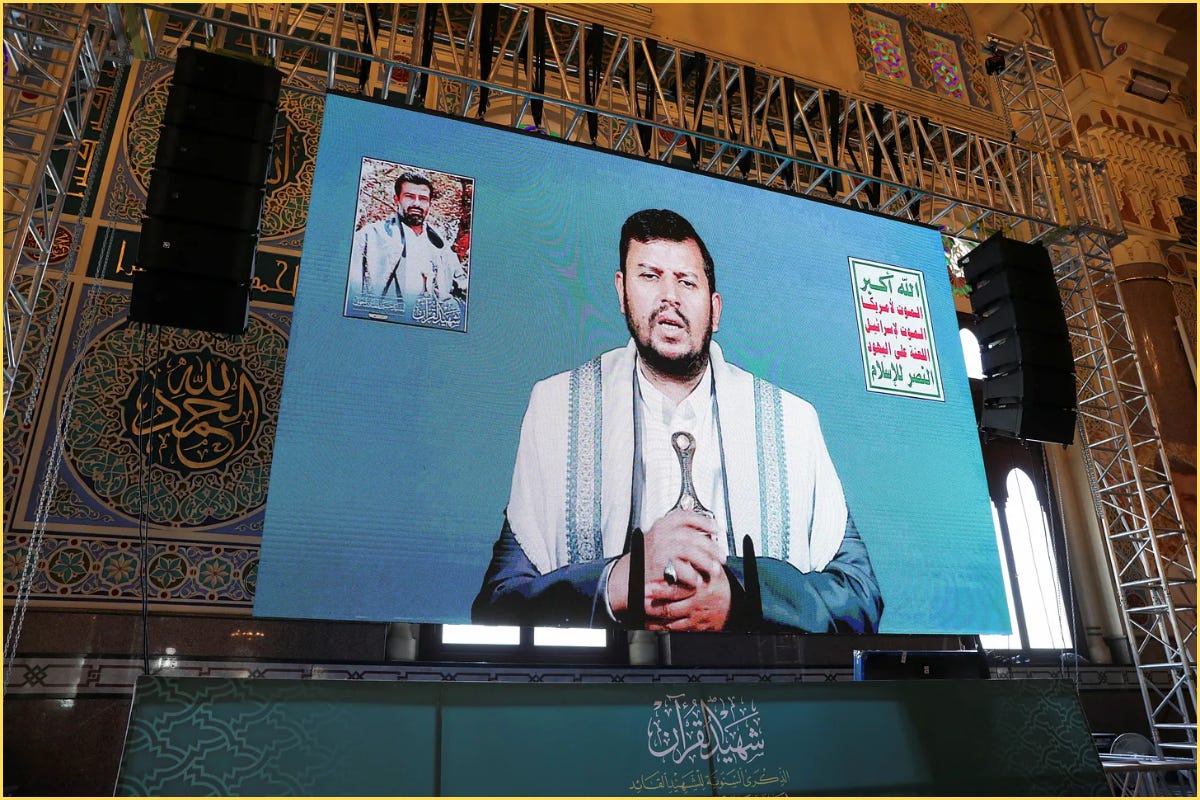
On December 28, Abdul-Malik al-Houthi went further than vague warnings. In a televised address, he said the Houthis would treat any Israeli presence in Somaliland as a military target, calling Israel’s recognition an act of aggression against Somalia and Yemen, and a threat to the Red Sea and regional security. He rejected the move outright as illegitimate, arguing that Israel was seeking to turn part of Somalia into a foothold for its own regional war.
This is what I mentioned in my last article:
“Israel’s biggest Red Sea threat right now is coming from Yemen. A foothold on the African side of the Gulf of Aden is a different kind of leverage than diplomacy in Europe or lobbying in Washington because it’s geography. And if Somaliland becomes part of Israel’s military or intelligence posture against the Houthis, it also becomes a legitimate target in that conflict, with all the risks that come with being within missile range of Yemen.”

The Houthis did not wait for an Israeli base to be announced. They did not ask whether Somaliland intended to host military or intelligence assets. They responded to trajectory. From their perspective, Israel’s recognition signals they have access to ports, intelligence reach, and a closer position across the Gulf of Aden.
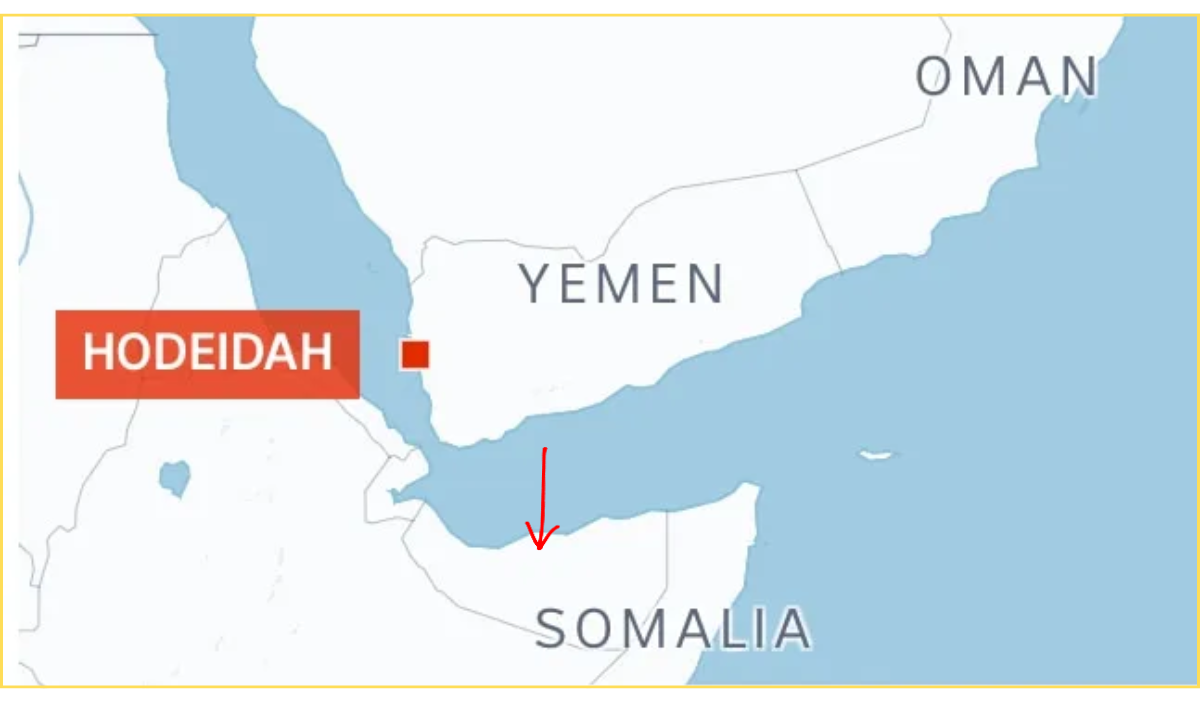
That reading is not fringe, it’s basically the default, “look-at-a-map” interpretation. Somaliland sits on the Gulf of Aden, across from Yemen, near the Bab el‑Mandeb, and Israeli analysts have explicitly argued it could function as a forward position for things like intelligence monitoring and other operations linked to the Houthi problem.
And that angle isn’t the only reason this recognition is triggering wider reactions. There’s also the Gaza displacement subtext hanging over it.
In a December 28 X Space, Dr. Dan Diker of the Jerusalem Center for Public Affairs claimed that Somaliland privately approved resettling up to 1.5 million Palestinians from Gaza on December 20, just days before Israel’s recognition on December 26. He framed it as a “generous offer” tied to stability.
I’m including this not because it’s confirmed, but because even the idea of dumping Gaza’s population elsewhere is radioactive and because, if Diker is right, it explains another reason why the Houthis would see Somaliland not as neutral territory but as something they are obligated to confront, given their long‑stated claim that their war with Israel is being fought on behalf of Palestinians.


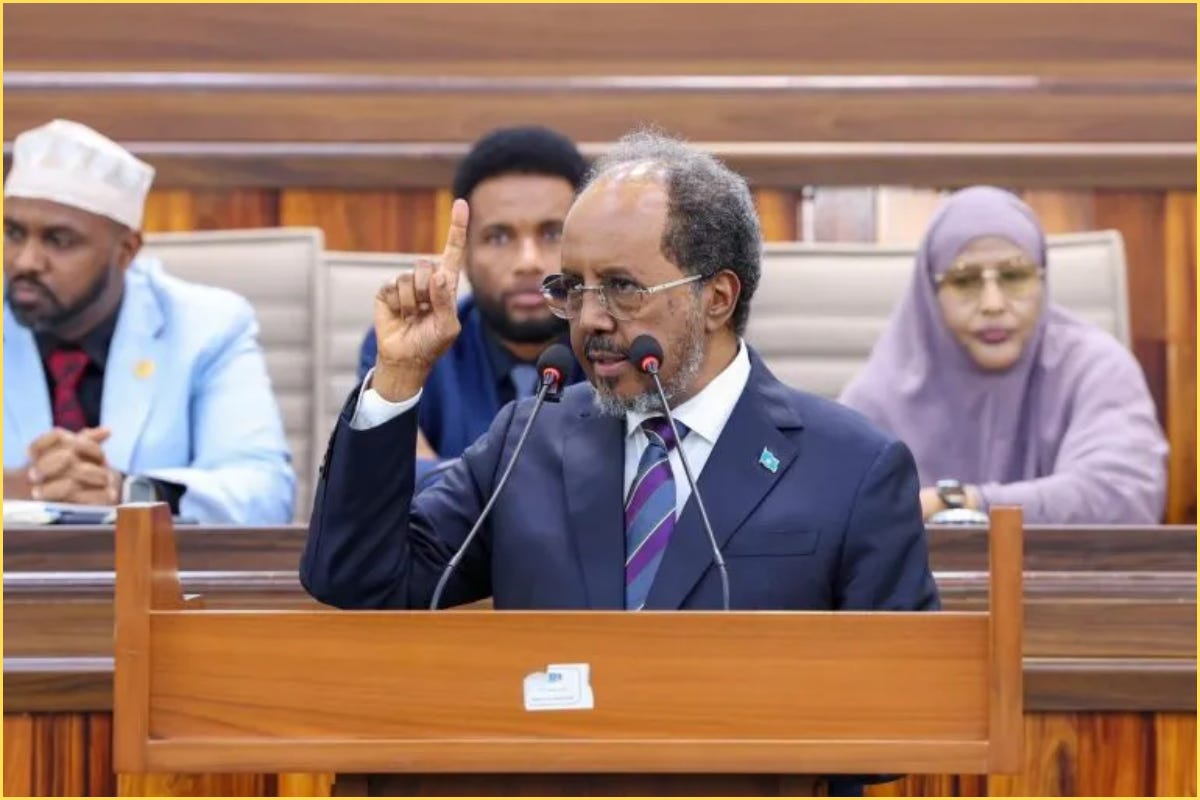
Somalia’s federal government framed the recognition as a direct attack on its sovereignty and territorial integrity. President Hassan Sheikh Mohamud warned that Somali territory would not be used to launch attacks against other countries or be dragged into external wars, a line later reinforced by the foreign ministry and parliament. Somalia’s Federal Parliament passed a resolution declaring Israel’s recognition unlawful, null, and void, reaffirming that Somaliland remains an inseparable part of the Federal Republic.
That position was echoed regionally. Turkey and Egypt condemned the move as unlawful and destabilizing. Across the wider region, a bloc of Arab, Islamic, and African states, including Saudi Arabia, rejected both the recognition itself and any attempt to link Somaliland to schemes involving the displacement of Palestinians from Gaza, reaffirming support for Somalia’s unity and internationally recognized borders. South Africa called Israel’s move a “direct threat” to peace in the Horn of Africa, even China publicly reaffirmed its support for Somalia’s territorial integrity.
INTERESTING FACT: Over 20 mostly Muslim countries signed a joint statement condemning Israel’s recognition of Somaliland, three Muslim‑majority states stood out for saying nothing, the UAE, Bahrain, and Morocco. All three are Abraham Accords signatories with close ties to Israel. The silence was especially notable in the UAE’s case, given its deep investment in Somaliland, long‑standing presence in Berbera, and role as one of Israel’s closest regional partners. Factors that help explain why Abu Dhabi has been widely seen as instrumental in pushing this recognition forward.
All of that context is why the Houthi response matters. They’re not responding to a signed deal or an announced base, they’re responding to where this is clearly heading. Recognition makes the “what if” feel less hypothetical and if you’re within missile range of Yemen, the Houthis don’t need proof of an Israeli base to decide that a new front has opened.
What’s different now is that the Houthis aren’t the only ones raising the alarm. Turkey, Egypt, and Saudi Arabia, all for their own reasons and with their own red lines, have moved to defend Somalia’s territorial integrity and warn against turning the Somaliland coast into a new platform in a wider Red Sea fight.
And that’s the twist: Cairo, Riyadh, and Ankara are in the same “no” camp as Sanaa (and by extension Tehran) on this specific issue, which creates the closest thing to a shared front against the Israel–UAE security project in the Red Sea, Middle East and Africa.
What’s surprising though is not the Houthi response to Israel’s recognition, but Somaliland’s posture to the Houthis.
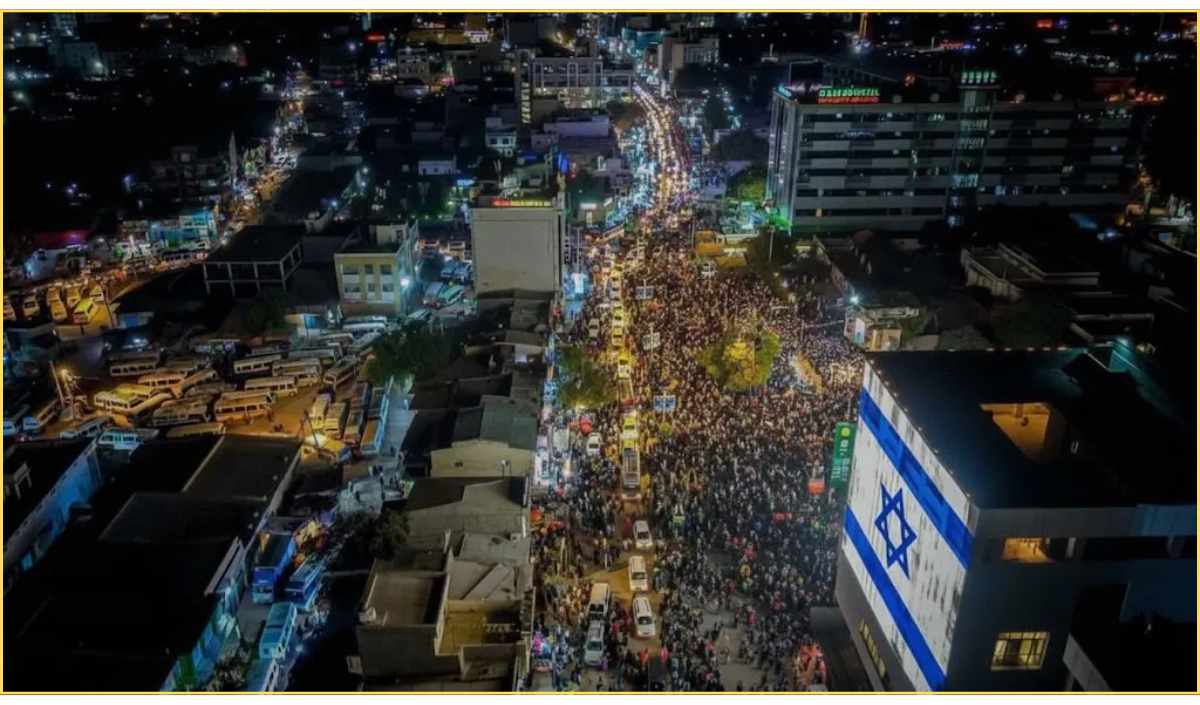
As of now, Somaliland’s current leadership has made no public statement addressing the Houthis’ warning. Official messaging has focused on sovereignty, legitimacy, and diplomatic breakthrough. The security implications, especially the risk of being dragged into an active regional conflict, have been left unaddressed.
That silence says something important, that recognition has become the overriding objective, and other risks are being treated as secondary (that is, if they are being thought about at all!). After three decades of being ignored, it becomes tempting to treat any recognition as a win, even when it comes with obvious strategic costs.
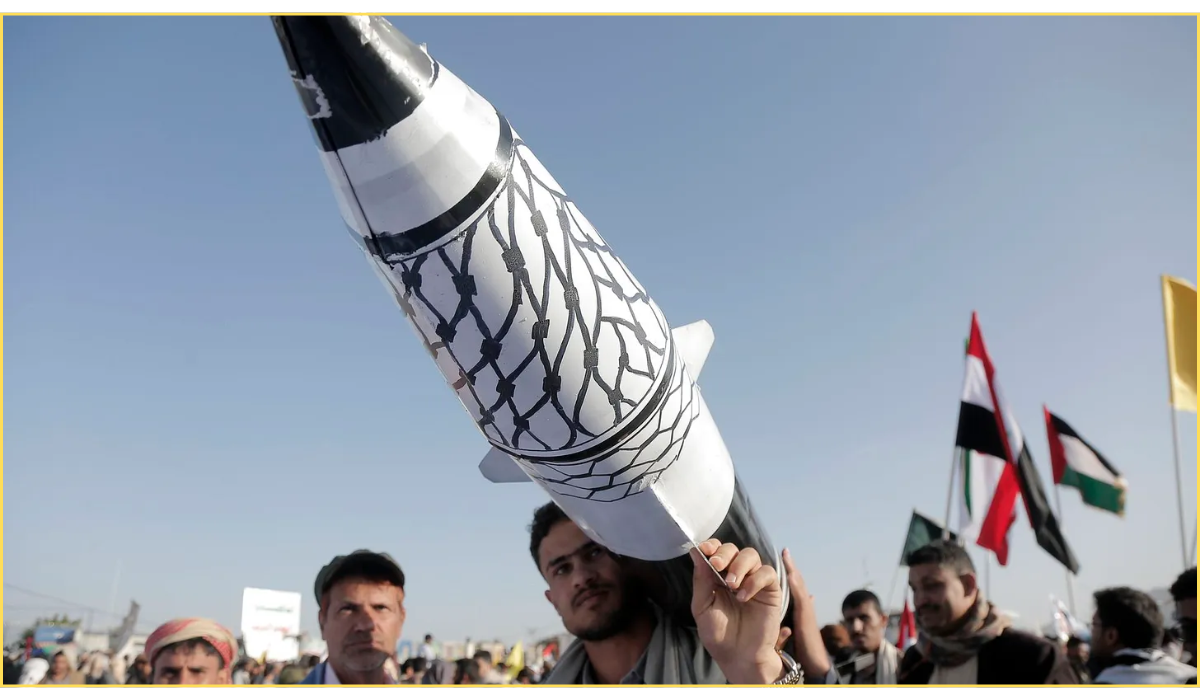
Somaliland’s location has always been its leverage, and its risk. Even before this, Somaliland’s leadership was already talking in security terms. In late May 2024, former Somaliland president, Muse Bihi publicly argued that the Ethiopia–Somaliland deal could help secure “freedom of navigation” in the Red Sea/Gulf of Aden corridor and deter Houthi attacks on shipping. Translation: recognize us and we’ll help you “secure the Red Sea” against the Houthis.
So when Israel recognizes Somaliland, the Houthis don’t read it as diplomacy. They read it as positioning, a signal that a new location has just been drawn into the conflict.
From their point of view, that makes Somaliland fair game.

They have already shown they are willing to internationalize their conflict, disrupt global trade, and absorb retaliation. They have also been explicit: any Israeli footprint near their theater of operations is unacceptable. Whether that footprint is real today is beside the point.
Put simply, recognition from Israel doesn’t add legitimacy. It just changes how Somaliland is seen and that shift alone is enough to turn it into a potential target.
The Houthis did not misunderstand Israel’s move. They interpreted it exactly as they were meant to. Somaliland is no longer just an unresolved African question. It is now part of a live Red Sea/Middle Eastern conflict map.
That is probably not what Somaliland’s people were promised when recognition was sold as a diplomatic win. But it may be the reality their government has chosen to risk.